
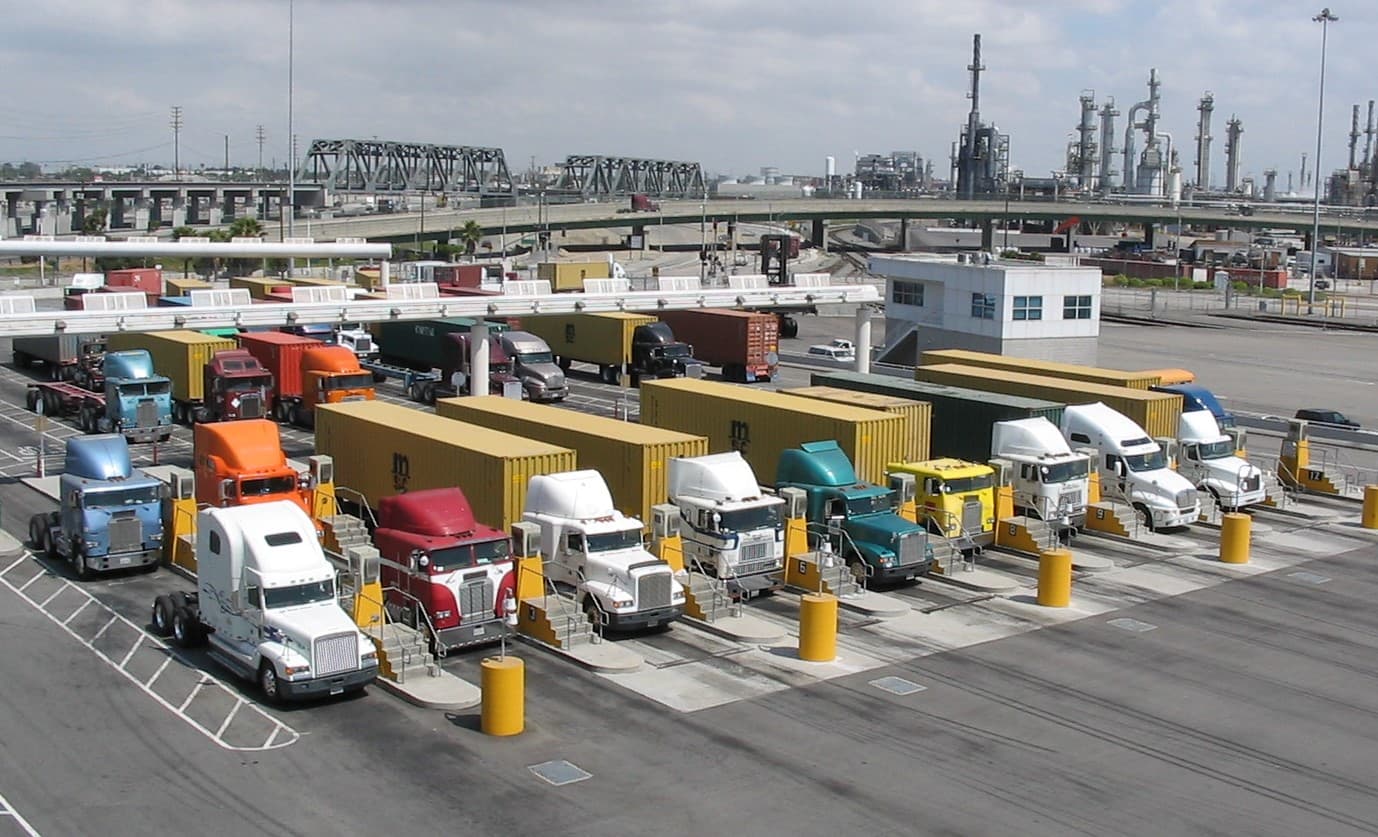
Trucking Terminals
Heavy-duty trucking terminals and freight facilities with stabilized surfaces for truck parking and operations Delivered by experienced general contractors throughout Texas.
Trucking terminals serve as vital transportation hubs, requiring construction that supports heavy truck traffic, loading operations, and logistics coordination. Inner Loop Construction specializes in trucking terminal development throughout Texas, creating durable surfaces and infrastructure that withstand constant heavy vehicle operations while ensuring safety and efficiency for transportation operations.
Texas trucking terminals demand construction solutions engineered for truck scales, loading docks, fuel islands, and parking areas. We design heavy-duty surfaces that accommodate tractor-trailer combinations, container operations, and maintenance facilities while providing the durability required for 24/7 transportation operations. Our construction expertise ensures trucking terminals operate efficiently with minimal downtime.
Trucking terminal construction involves coordination between construction work, transportation engineering, and operational requirements. We work with logistics companies to understand fleet operations and design concrete systems that optimize loading/unloading efficiency. Our Texas-based projects incorporate regional considerations including TxDOT requirements, soil conditions, and weather patterns affecting transportation operations.
From regional trucking hubs to specialized terminals, we deliver construction that supports modern transportation logistics. Our projects include truck court design, scale foundations, fuel system supports, and facilities designed for future expansion. We understand that trucking terminals are critical transportation infrastructure requiring reliable, heavy-duty construction.
What's Included
- •Transportation engineering coordination for truck operations
- •Heavy-duty concrete truck courts and loading areas
- •Truck scale foundation construction and leveling
- •Loading dock design and construction
- •Fuel island and service area construction work
- •Stormwater management and oil/water separation
- •Heavy vehicle circulation and parking design
- •Safety-compliant surface finishes and markings
- •Maintenance facility construction
Frequently Asked Questions
What concrete strength is required for truck loading areas?
Truck loading areas require concrete with compressive strengths of 4,000-5,000 PSI, designed to support truck loads up to 80,000 lbs axle weight. Surfaces must be level within 1/4 inch and provide adequate thickness (6-8 inches) to prevent cracking under heavy, concentrated loads from tractor-trailer combinations.
How do you design truck court drainage systems?
Truck courts require positive drainage with slopes of 1-2% to prevent water accumulation. We design drainage systems that channel stormwater away from loading areas, incorporate oil/water separators for fuel spills, and meet EPA requirements for industrial stormwater management in Texas trucking facilities.
What surface treatments prevent truck tire damage?
Truck terminals benefit from surface treatments like epoxy coatings, MMA systems, or polished concrete that resist tire wear and provide skid resistance. These treatments create durable surfaces that withstand heavy truck traffic while maintaining traction for safe operations throughout Texas terminals.
How do you accommodate truck scale foundations?
Truck scales require foundation systems with precise leveling (within 1/8 inch) and proper drainage to prevent water damage. Foundations must support scale loads while providing access for maintenance. We coordinate with scale manufacturers for specific foundation requirements in Texas trucking operations.
What permits are required for trucking terminals in Texas?
Trucking terminals require TxDOT permits for transportation access, building permits, and environmental approvals. Facilities may need stormwater permits and zoning approvals. We handle all permitting coordination and ensure compliance with Texas transportation regulations.
Common Situations
- •Regional trucking companies need terminals for fleet operations and cargo transfer
- •Third-party logistics providers require facilities for truck brokerage and freight consolidation
- •E-commerce companies need fulfillment centers with direct truck loading capabilities
- •Construction companies require terminals for equipment transportation and material distribution
Example Engagement
Service Type
Trucking Terminal Construction
Scope
A regional trucking company needs a 25-acre terminal with truck scales, loading docks, maintenance facilities, and parking for 200+ trucks requiring comprehensive construction for transportation operations.
Client Situation
The trucking company is expanding operations in Texas and needs a modern terminal that can handle high-volume freight operations, fleet maintenance, and efficient cargo transfer for regional distribution networks.
Our Approach
We would design heavy-duty concrete systems for truck operations, implement proper drainage and safety features, and coordinate with transportation authorities for access requirements. Our approach includes operational efficiency planning and phased construction to minimize disruption.
Expected Outcome
The completed trucking terminal would provide 25 acres of operational infrastructure supporting 200+ trucks with concrete systems optimized for heavy vehicle operations, efficient loading/unloading, and comprehensive fleet support.
Why Choose Us
Free Estimates
Get a detailed project estimate tailored to your specific needs and site conditions.
Expert Consultation
Our experienced team provides guidance on project requirements, permits, and best practices.
Quality Assurance
We ensure all work meets or exceeds local building codes and industry standards.
Related Project Types
Distribution Centers
Large-scale distribution and fulfillment centers for e-commerce, retail, and logistics operations across Texas
Logistics Facilities
Modern logistics hubs and distribution centers designed for efficient supply chain operations
Manufacturing Plants
Heavy industrial manufacturing facilities and production plants requiring specialized concrete construction
Oil & Gas Yards
Specialized yards and facilities for oil and gas equipment storage, drilling operations, and energy infrastructure