

Industrial and Commercial General Contractors
Austin, TX
Austin, Texas is no longer just a state capital — it is one of the fastest-growing large metros in the United States, a destination for corporate relocations, semiconductor manufacturing, aerospace, and an enormous technology sector that has reshaped Central Texas over the past two decades. With a city population approaching one million and a metro area exceeding two million, Austin generates construction volume that keeps commercial and industrial general contractors consistently engaged across multiple project types, timelines, and sectors. Inner Loop Construction operates throughout the Austin market, covering the commercial and industrial project types that define serious construction work in a rapidly urbanizing environment.
The technology relocation wave that brought Tesla's Gigafactory to east Travis County, Apple's $1 billion campus to North Austin, Oracle's lakeside headquarters to South Congress, and Samsung's semiconductor megafab to nearby Taylor has done more than create jobs — it has fundamentally reorganized Austin's construction market. Corporate campus builds at this scale require industrial-grade concrete systems: raised access floor systems for server infrastructure, precision-leveled slabs for clean manufacturing environments, tilt-up wall panels, and large-format parking structures that handle thousands of employees per shift. Inner Loop Construction's team is experienced with the technical specifications that corporate campus and semiconductor facility concrete demands, including FF/FL flatness tolerances, vapor barrier assemblies, and post-tension slab systems for long-span structures.
Austin's permit cycle is one of the most complex in Texas. The City of Austin's Development Services Department manages simultaneous reviews across zoning, drainage, impervious cover limits, and tree ordinance compliance before a site flatwork or foundation permit moves to issuance. Inner Loop Construction has navigated these processes on multiple Central Texas projects and understands how to front-load the document preparation that keeps permit timelines predictable. We coordinate directly with civil engineers and landscape architects during the design phase to ensure our concrete scope aligns with the permitted drainage and site grading design — avoiding the costly revisions that happen when general contractors engage too late in the process.
The Blackland Prairie and Hill Country transition zone that runs through Austin creates two very different soil profiles depending on where you build. East Austin and the areas north toward Pflugerville sit on expansive, high-plasticity Blackland clay — some of the most reactive soil in Texas, with potential swell pressures that will crack an undersized slab in a single wet season. West Austin and the areas toward Barton Creek cross into the Edwards Plateau limestone, where shallow rock depth creates different challenges: difficult excavation for grade beams, blasting or mechanical rock removal for utility trenching, and pier systems drilled into rock rather than driven through clay. Inner Loop Construction sizes its concrete systems to the geotechnical conditions at each Austin-area site, and we require soil reports before finalizing foundation designs.
Multifamily construction in Austin has reached unprecedented scale as the city works to close a severe housing gap. Mid-rise and high-rise apartment towers in the 78701, 78702, and 78704 zip codes require podium slab systems, post-tensioned floors, and below-grade parking structures. Garden-style apartments in the suburban growth corridors to the north, south, and east require large-format slab-on-grade foundations with careful attention to the expansive clay performance over time. Inner Loop Construction handles commercial-scale multifamily concrete across the full Austin metro, working under general contractors who need a concrete sub that can manage schedule pressure and coordinate with other trades during critical path pour windows.
Infrastructure work in Austin — toll road expansions, drainage channel improvements, utility corridor construction, and municipal building replacements — runs continuously given the city's population pressure. Inner Loop Construction participates in this market as a commercial and industrial general contractor, providing the kind of heavy civil work that keeps Austin's growth infrastructure functioning. Whether the project is a new TxDOT right-of-way concrete pour, a utility pump station foundation, or a commercial development's off-site public improvement requirements, our team executes with the permits, bonding, and quality documentation that public infrastructure work in Texas requires.
FAQs about Austin, TX Industrial and Commercial Services
What construction services does Inner Loop Construction provide in Austin, Texas?
Inner Loop Construction provides comprehensive construction services in Austin, Texas including data center construction, office building work, multifamily foundations, parking lot construction, warehouse construction, and infrastructure projects. Our team understands the unique challenges of working in Texas, including soil conditions and local building codes. We specialize in commercial and industrial projects throughout the Central Texas region.
Does Inner Loop Construction work with tech companies on data center projects in Austin?
Yes, Inner Loop Construction has extensive experience with commercial and technology projects in Austin, Texas. Our team understands Austin's building codes, permit requirements, and the specific challenges of construction work for data centers and tech facilities. We work directly with developers and property owners to deliver high-quality construction solutions.
What should I know about commercial foundation work in Austin, Texas?
Commercial foundation work in Austin, Texas requires consideration of the area's soil conditions and weather patterns that can affect foundation stability. Inner Loop Construction uses appropriate techniques and materials for Texas conditions, follows local building codes, and obtains necessary permits. Proper foundation design and installation are essential for long-term property stability in the Austin area.
Does Inner Loop Construction handle large commercial and multifamily projects in Austin?
Yes, Inner Loop Construction specializes in large commercial and multifamily concrete projects in Austin, Texas. Commercial services include office buildings, data centers, and parking lots, while multifamily services cover apartment complexes, mixed-use developments, and large-scale foundation work. Our team has experience with projects of all sizes for developers throughout Austin and Central Texas.
Popular Services in Austin, TX
Austin's emergence as a major technology hub drives significant demand for data center construction. Tech companies and cloud service providers require specialized construction work for server rooms, raised flooring systems, and vibration-damping foundations. The city's position as a digital infrastructure center creates ongoing demand for contractors experienced in data center concrete specifications.
Austin's corporate and technology sectors require extensive office building construction and renovation. From downtown high-rises to suburban corporate campuses, property owners need durable foundation systems, floors, and structural elements. The city's business growth ensures steady demand for commercial construction services.
Austin's rapid population growth drives significant multifamily development activity. Apartment complexes, condominiums, and mixed-use developments require large-scale foundation services that account for the area's soil conditions and weather patterns. Developers need contractors experienced in multifamily foundation construction for Austin's diverse housing market.
Austin's growing logistics and distribution sector requires warehouse construction with durable concrete floors and loading areas. The city's strategic location drives demand for distribution centers and industrial facilities that support the regional economy.
Austin's ongoing infrastructure development and municipal projects require extensive street and sidewalk construction. Commercial property owners need compliant sidewalks and access improvements, while multifamily developments require pathway construction. The city's growth and infrastructure maintenance create consistent demand for streets and sidewalks work.
Our Work in Austin, TX
Example of the type of engagement we can handle
Situation
A technology company in Austin needs to construct a new data center facility with specialized concrete requirements for server rooms and equipment foundations. The project requires vibration-damping concrete, precise flatness specifications, and compliance with industry standards for data center construction.
Our Approach
Inner Loop Construction would assess the specific requirements for the Austin data center project, including vibration control, electrical grounding, and precise leveling specifications. We would use specialized concrete mixes and installation techniques appropriate for data center environments, coordinate with electrical and mechanical contractors, and ensure compliance with Austin building codes and permit requirements.
Expected Outcome
The technology company would receive a professionally constructed data center facility with construction work that meets industry standards for vibration control, flatness, and structural integrity. The facility would support their technology operations with proper electrical grounding, temperature control considerations, and compliance with all Austin building regulations.
Why Choose Us
Free Estimates
Get a detailed project estimate tailored to your specific needs and site conditions.
Expert Consultation
Our experienced team provides guidance on project requirements, permits, and best practices.
Quality Assurance
We ensure all work meets or exceeds local building codes and industry standards.
Services in Austin, TX
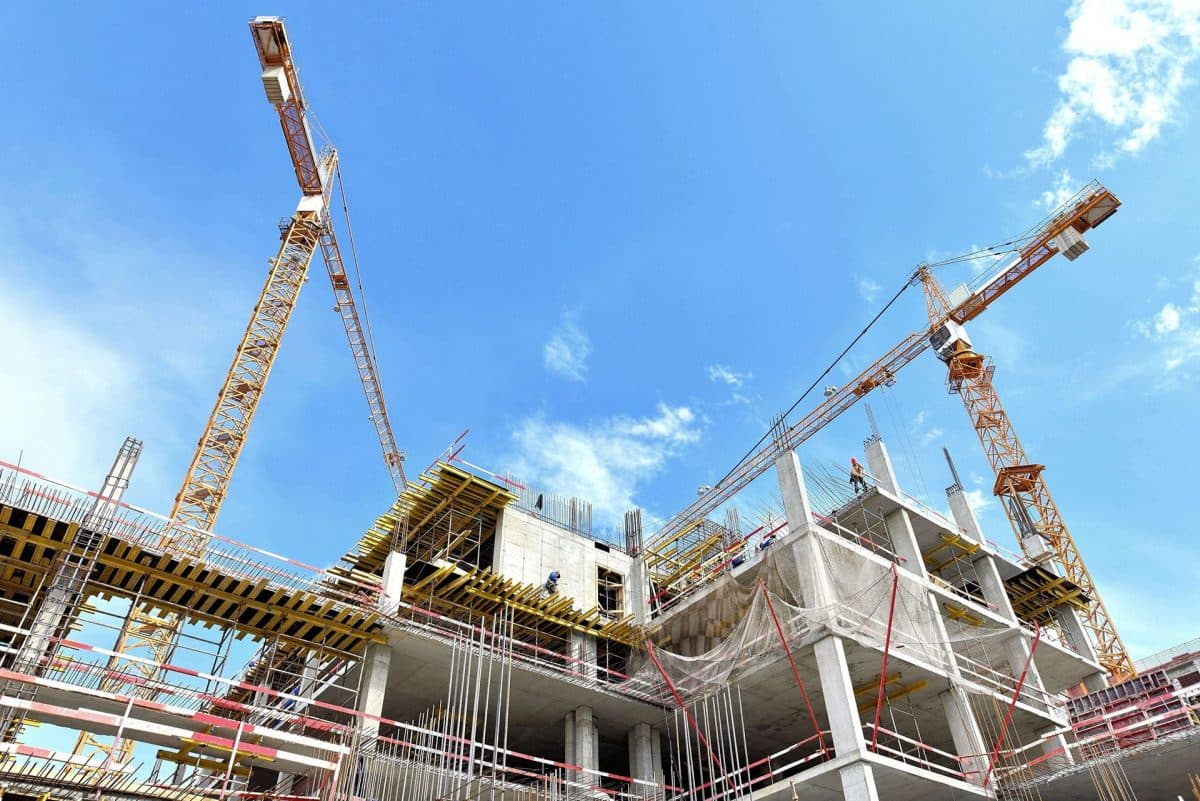
Industrial Contractor
Full-service industrial general contractor for large-scale manufacturing, logistics, and infrastructure projects across Texas
Learn More →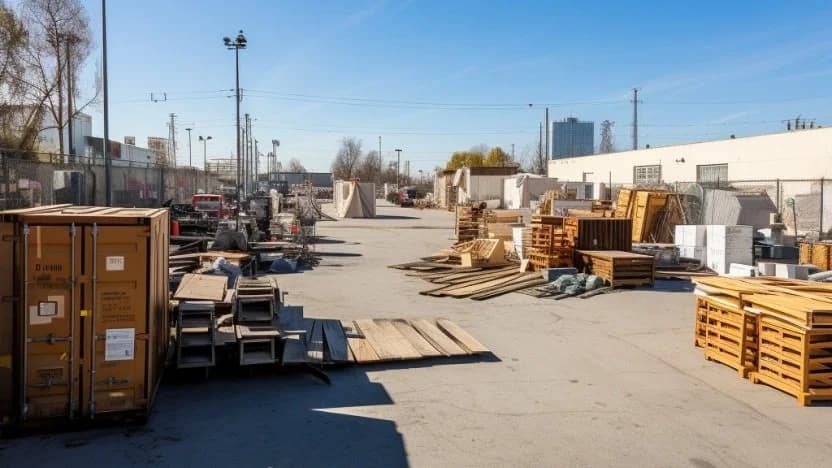
Outdoor Storage
Heavy-duty outdoor storage yards and facilities for equipment, materials, and industrial inventory
Learn More →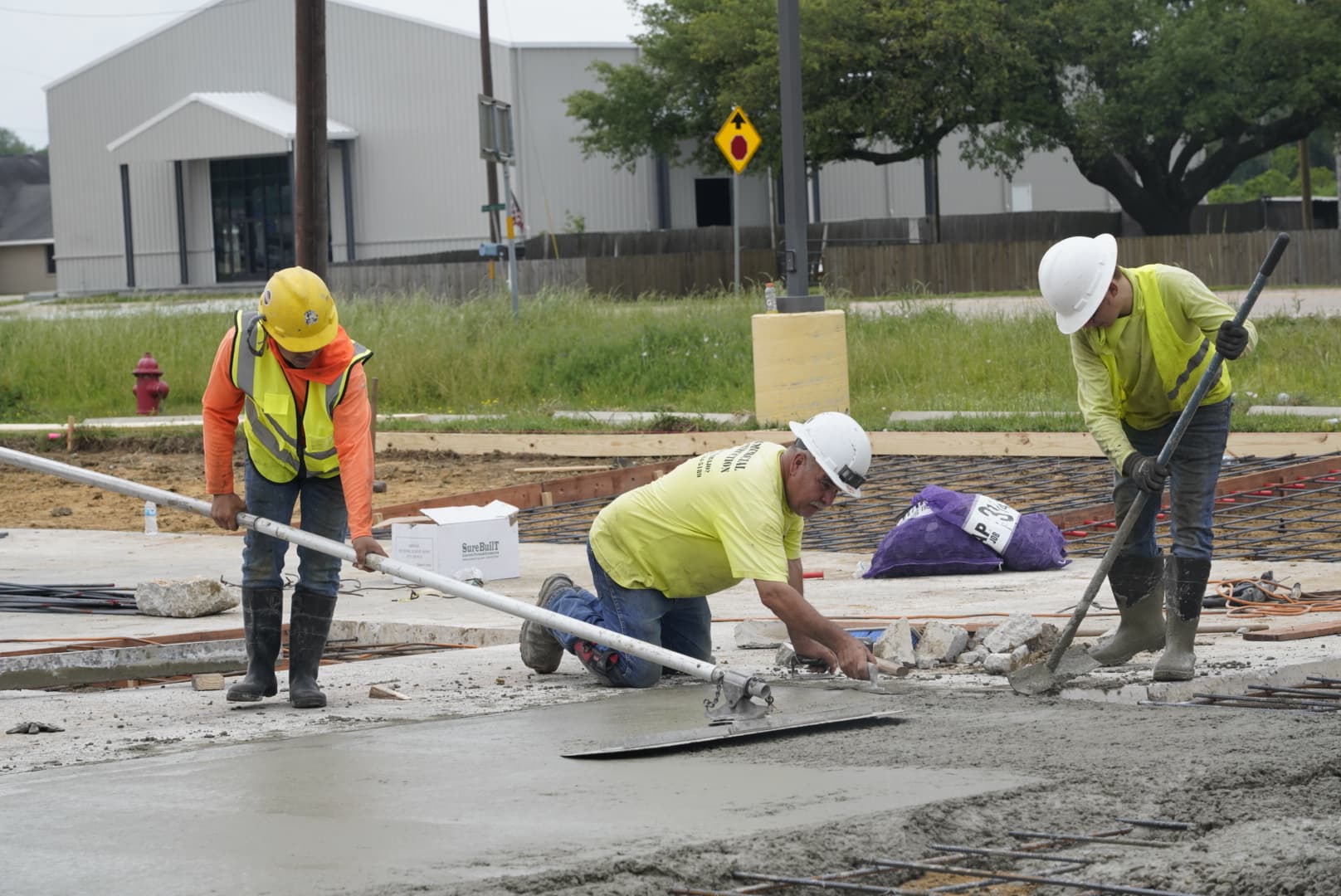
Laydown Yards
Engineered laydown yards for pipe, steel, equipment staging, and industrial material storage
Learn More →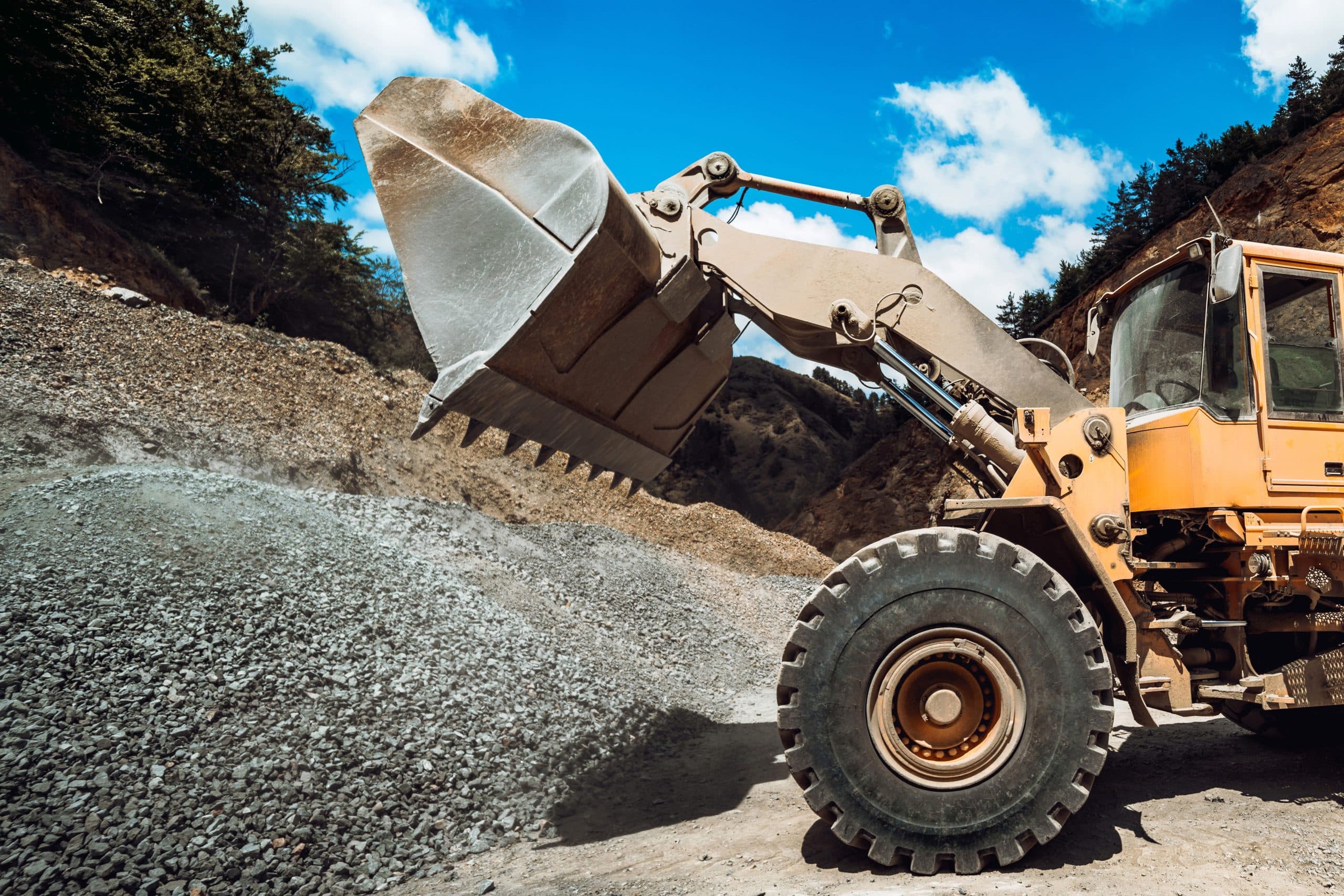
Stabilized Lots
Lime-stabilized and cement-stabilized lots for heavy equipment and industrial operations
Learn More →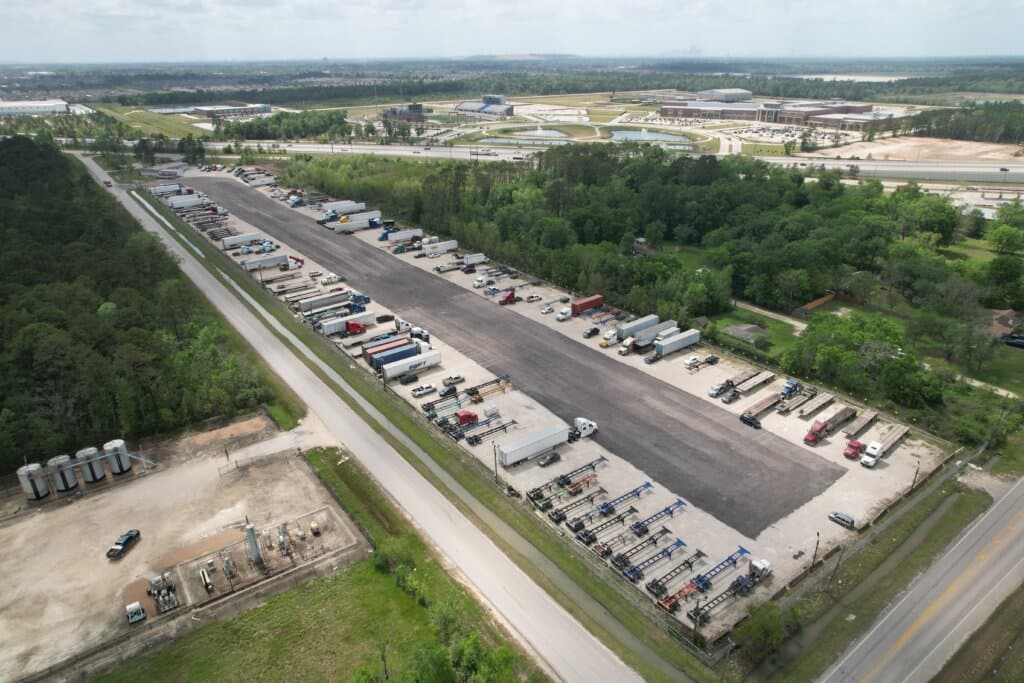
Stabilized Parking
Stabilized parking surfaces for trucks, trailers, and heavy industrial vehicles
Learn More →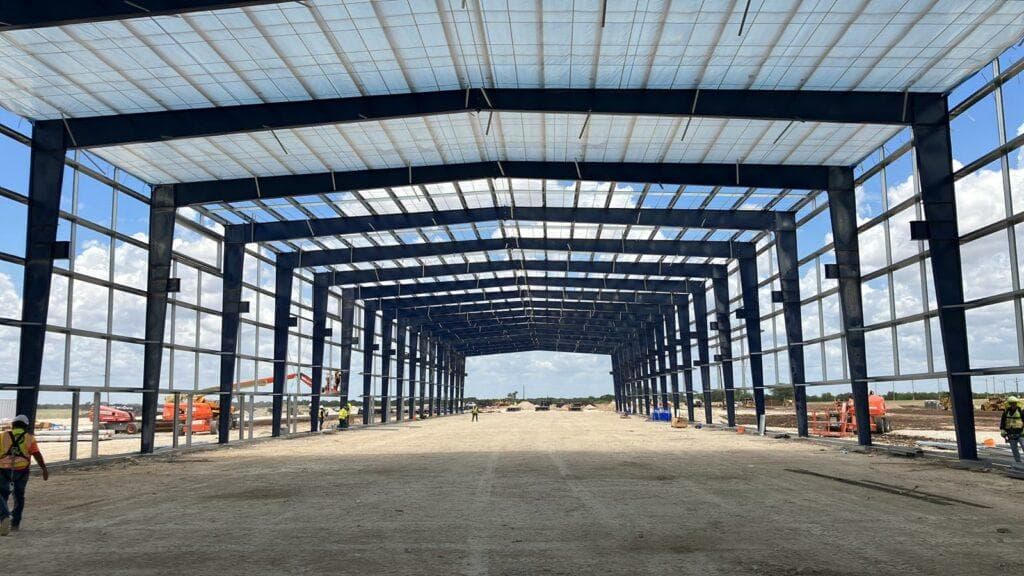
Metal Building PEMB
Pre-engineered metal building design, fabrication, and erection for warehouses, manufacturing, and industrial facilities
Learn More →