
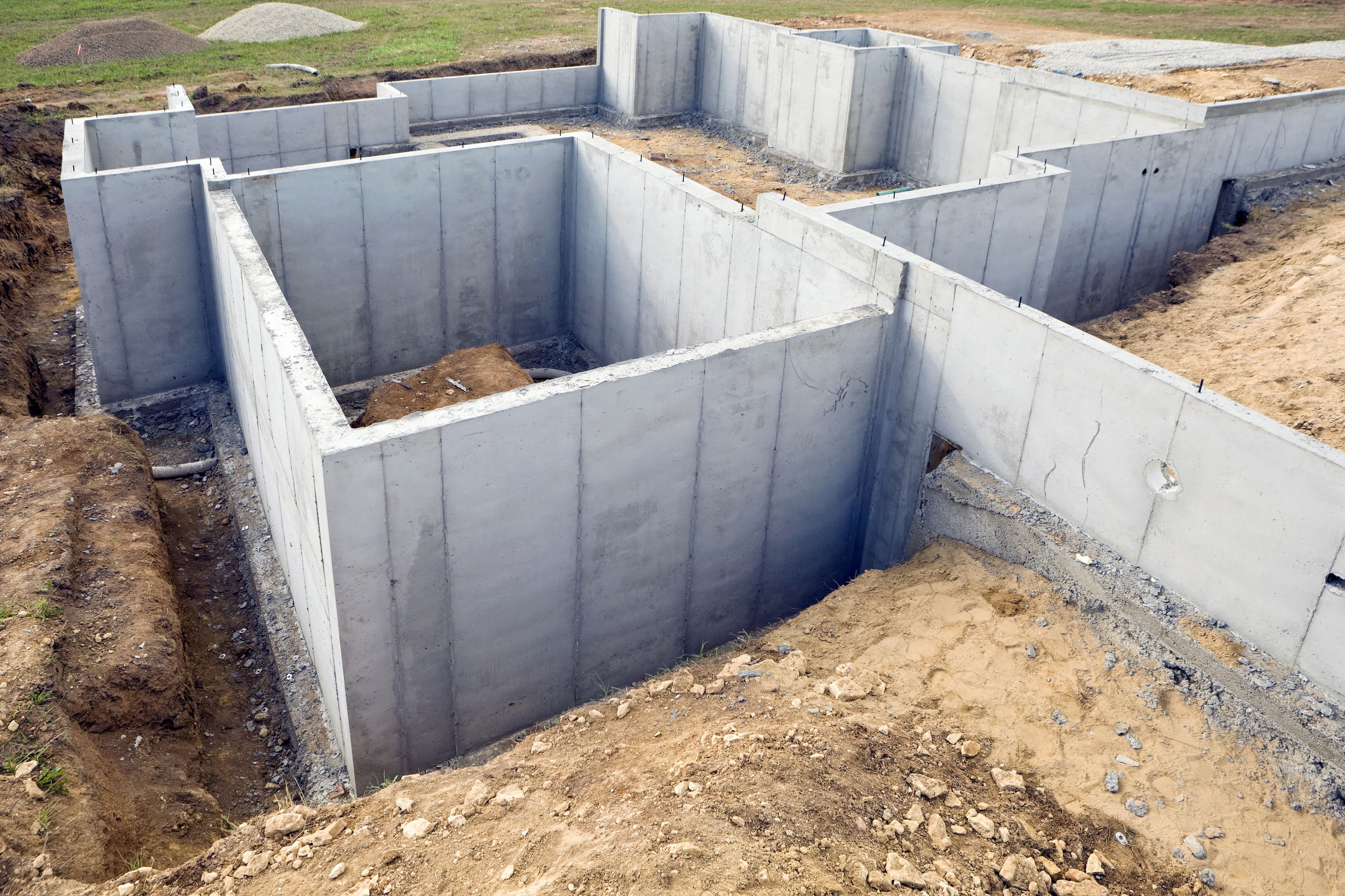
Pier and Beam Foundations in Texas
Pier and beam foundation construction and maintenance
In Houston, pier and beam is the preferred solution for any commercial project on very soft or high-plasticity clay where a slab-on-grade would require impractical soil treatment or where post-Harvey FEMA elevation requirements push the finish floor above what a simple slab-on-grade can achieve without extensive fill. We drill piers with auger rigs, setting pier diameter and depth based on the geotechnical report's bearing capacity values — typically 12- to 24-inch diameter piers for commercial applications, drilled to depths ranging from 15 to 40 feet depending on the depth to competent bearing material.
In North Texas DFW markets, pier and beam is the standard for any multi-story commercial building on Blackland Prairie clay, and our experience with that geology gives us a practical understanding of how to design pier groups to resist both vertical load and lateral load from wind and seismic events. The Tornado Alley exposure in North Texas and Oklahoma border counties means wind uplift and overturning on commercial structures are design-controlling load cases, and pier foundation systems need to be sized accordingly.
For Hill Country projects near the Edwards Aquifer recharge zone, we work with specialized drilling contractors who understand the karst limestone — where a pier can encounter a void or solution channel that would cause a standard pier to settle unevenly. We require coring or down-hole inspection on critical piers in karst terrain, and we design for the potential of pier tip modification if bearing conditions vary from the geotechnical prediction. These are not scenarios we handle ad hoc on the jobsite; they are anticipated in the design and the contract scope.
What's Included
- •Geotechnical report review and pier design coordination
- •Drilled pier installation with auger rig to geotechnically specified depth
- •Down-hole inspection for karst terrain on Hill Country and Edwards Aquifer projects
- •Rebar cage fabrication and installation in pier holes
- •Concrete placement in piers with slump and cylinder break documentation
- •Grade beam forming, rebar, and concrete per structural drawings
- •Third-party special inspection coordination and documentation
- •Building department permit submission and inspection coordination
- •Wind uplift pier group design for Tornado Alley and coastal wind exposure
Frequently Asked Questions
When should a commercial project use pier and beam instead of a slab-on-grade in Texas?
Pier and beam is the right foundation system when the near-surface soil is too problematic to use as a bearing stratum, or when the building design and code requirements push the finish floor elevation above what slab-on-grade on natural grade can achieve. In practice, the triggers are: geotechnical reports showing PI values above 40 and active zone depths greater than eight feet, where even a post-tensioned slab may not control differential movement adequately; FEMA flood elevation requirements in Harris County and coastal markets that require finish floor elevations more than two feet above existing grade, where fill alternatives are not permitted or not feasible; multi-story commercial buildings where the structural engineer requires isolated footing or combined footing systems that resist wind uplift and seismic lateral load; and sites with fill soils of unknown compaction history where load-bearing characteristics cannot be reliably established without extensive ground improvement.
What pier depths and diameters are typical for commercial projects in Texas?
Commercial drilled pier specifications in Texas are driven by the geotechnical engineer's bearing capacity analysis, not by rule of thumb. In Houston clay, piers often target the dense sand and clay stratum at 20 to 35 feet below grade, where bearing pressures of 4,000 to 6,000 psf can be reliably achieved. Pier diameters for mid-size commercial buildings typically range from 12 to 24 inches, with column loads determining the number and size of piers in each group. In the DFW Metroplex on Eagle Ford Shale or Austin Chalk, competent bearing can sometimes be reached at 10 to 20 feet, reducing cost. Hill Country and West Texas limestone sites often achieve adequate bearing within a few feet of the surface, though karst solution features can complicate design. We use the geotechnical report's bearing capacity recommendations as the design basis and do not substitute judgment for data.
Do pier and beam foundations require permits and engineering in Texas?
Yes, without exception. Drilled pier foundations for commercial buildings require permit submittal with engineered drawings stamped by a licensed Texas structural or geotechnical engineer, and inspections at a minimum include a pre-pour inspection of each pier for correct diameter, depth, cleanliness, and rebar placement. In many jurisdictions, a third-party special inspector must witness and document concrete placement in each pier hole. Grade beam forming, rebar, and concrete placement also require inspection before pour and a final inspection. We handle all permit submittals and coordinate inspections with the building department and with the project's special inspection firm.
How long does pier and beam foundation construction take for commercial projects in Texas?
The timeline for a commercial pier and beam foundation depends on the number of piers, the depth to bearing, site access, and weather. A typical mid-size commercial building — 20,000 to 50,000 square feet — with 50 to 100 drilled piers might take: pier drilling and concrete one to two weeks, depending on daily pier production rate; rebar and forming for grade beams one to two weeks; grade beam concrete pour and cure one week; and preparation for interior slab pour one additional week. Total from mobilization to grade beam completion: four to six weeks. Larger projects scale proportionally. Houston clay can be challenging in wet conditions — clay heave into pier holes during rain events requires cleanout before pour, which we factor into the schedule.
What is the difference between drilled piers and helical piers for commercial applications in Texas?
Drilled piers (also called caissons or auger-cast piles) are formed by drilling a hole with an auger rig, placing a rebar cage, and filling with concrete. They are the standard choice for most commercial applications in Texas because they can be designed to precise bearing depths, can accommodate large-diameter designs for high column loads, and produce a known concrete volume for quality documentation. Helical piers use steel shafts with helical flights screwed into the ground to a specified torque that correlates to bearing capacity — they are faster to install and work well for residential foundation repairs and light commercial applications where access limits the use of a large auger rig. For heavy commercial construction — distribution centers, office buildings, industrial facilities — drilled piers remain the standard because they can be designed and documented to the precision that structural engineers and building departments require in Texas.
Common Situations
- •A multi-story office developer in the DFW Metroplex needs drilled piers to stable Austin Chalk bearing on a site with 15 feet of high-plasticity Blackland Prairie clay above competent rock
- •A distribution center developer in Southeast Houston needs 18-inch diameter drilled piers at 20-foot centers to 30-foot depth through soft Gulf Coast clay, tied with reinforced concrete grade beams
- •A medical campus developer in San Antonio needs a pier and grade-beam foundation on a karst limestone site near the Edwards Aquifer recharge zone, with down-hole inspection on each pier
Example Engagement
Service Type
Pier and Beam Foundations
Scope
A corporate office developer is constructing a 4-story office building in Plano, Texas on Blackland Prairie clay. The structural engineer has specified 18-inch diameter drilled piers to the Austin Chalk bearing stratum at approximately 20 feet, tied with a reinforced grade beam system designed for wind uplift loads from Tornado Alley exposure.
Client Situation
The geotechnical report shows 18 feet of high-PI clay over competent chalk. The structural engineer requires third-party special inspection of all pier concrete and grade beam pour. The DFW suburb requires permit submittal with PE-stamped drawings and pre-pour inspections.
Our Approach
We mobilize an auger rig, drill 85 piers to chalk refusal documented by the drilling superintendent and the geotechnical engineer, set rebar cages, place concrete with slump and cylinder break documentation for each pier, form and set grade beams per the structural drawings, coordinate special inspection at all concrete placements, and submit permit documents and inspection records to the building department.
Expected Outcome
A completed pier and grade-beam foundation system with full special inspection documentation, issued building permit, and a foundation ready for structural steel erection on schedule.
Why Choose Us
Free Estimates
Get a detailed project estimate tailored to your specific needs and site conditions.
Expert Consultation
Our experienced team provides guidance on project requirements, permits, and best practices.
Quality Assurance
We ensure all work meets or exceeds local building codes and industry standards.
Thickness Guide
Related Services
Comprehensive Building Foundations
Professional foundation construction for commercial and residential buildings
Retaining Walls
Structural retaining walls for slope management and property boundaries
Slab Foundations
Concrete slab foundation installation and repair