
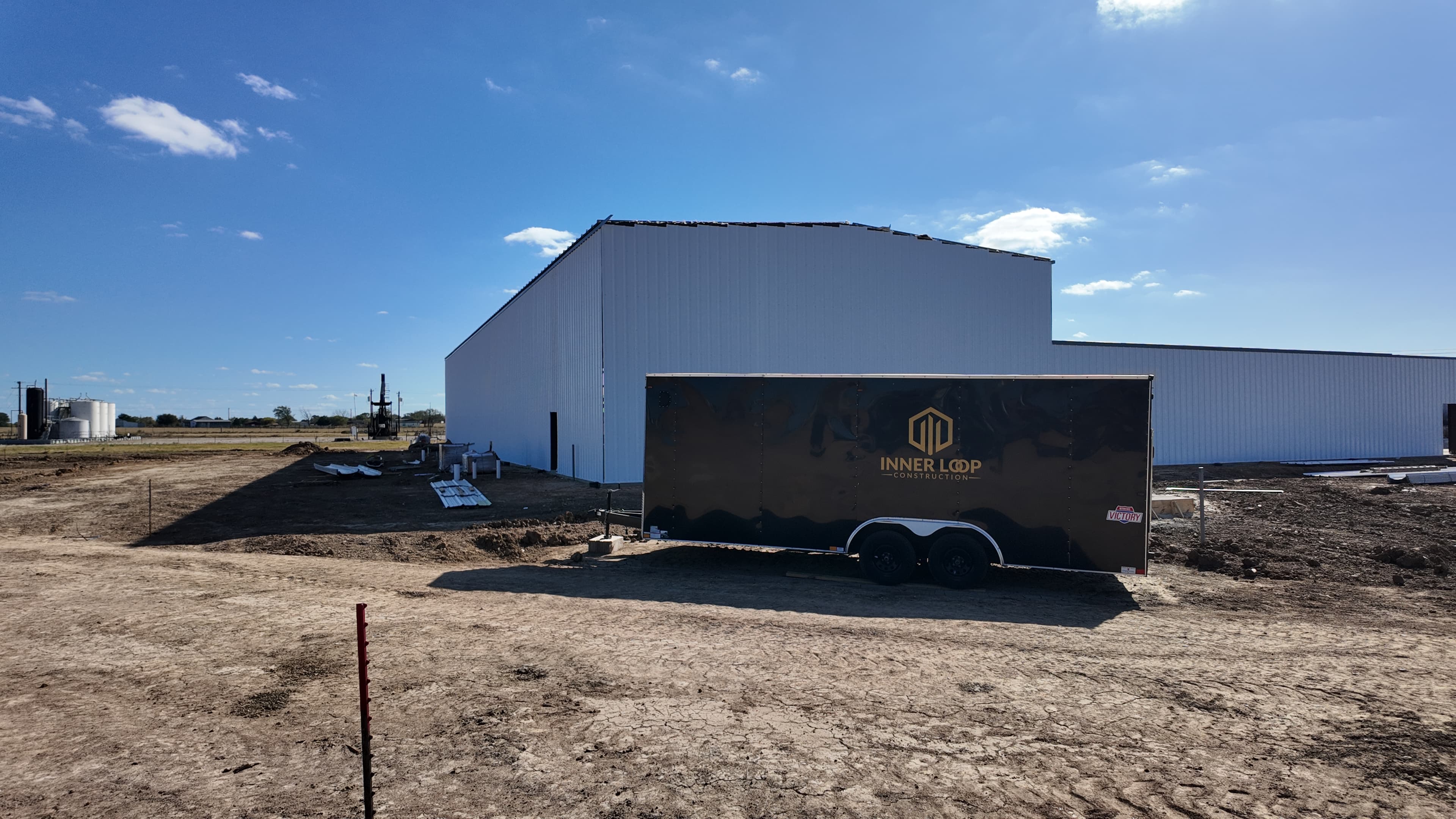
Data Center Construction in Texas
Full general contracting for hyperscale, enterprise, and colocation data center construction in Texas, from ground-up to critical systems integration
Texas has emerged as the dominant data center market in the US outside Northern Virginia. The Dallas-Fort Worth metroplex is home to one of the largest concentrations of hyperscale campuses in North America, drawn by central geography, available power from ERCOT's deregulated market, favorable tax treatment under Chapter 151 data center exemptions, and an established fiber infrastructure. The San Antonio market has attracted major hyperscale investment anchored by proximity to military and federal demand. Austin and its surrounding counties—Bastrop, Burnet, Williamson—are seeing significant permitting activity for large campus developments. The Permian Basin markets in Midland and Odessa are drawing interest from operators who want proximity to energy production. Wichita Falls and other secondary Texas markets are also appearing in permitting data as operators look to diversify outside primary markets. We understand the Texas data center landscape market by market and can bring appropriate subcontractor networks and permit navigation experience to projects across the state.
General contracting for a data center involves specialized scope requirements that go beyond standard commercial construction. Structural systems must accommodate significantly higher floor loads than typical office or warehouse construction—raised floor systems, battery energy storage, and UPS equipment all drive load requirements well above code minimums. Power infrastructure scope includes medium-voltage switchgear, transformers, emergency generators with large fuel storage, automatic transfer switches, PDUs, and UPS systems—all coordinated with the utility interconnection design. Cooling systems for high-density computing loads require mechanical systems sized for continuous high-load operation: computer room air handlers or computer room air conditioning units, precision cooling systems, and increasingly, liquid cooling infrastructure. We coordinate with the electrical and mechanical engineering teams to ensure rough-in dimensions, equipment pads, and structural penetrations align precisely with equipment submittals. Tier II and Tier III data center construction standards from the Uptime Institute define redundancy requirements for power and cooling paths; we build to those standards and maintain documentation packages appropriate for certification audits.
Permitting for data centers in Texas involves coordination with multiple agencies depending on site and scale. Large campuses require utility coordination with transmission providers, environmental review for stormwater management, and in some markets, water rights considerations for cooling tower makeup. We manage the permit process from the start, building realistic permit timelines into the master schedule and tracking plan review status through the AHJ. We engage early with the local utility on transformer procurement and switchgear lead times—utility equipment lead times in today's market can be the schedule driver for an entire data center project, and a GC who does not flag this risk in preconstruction is going to deliver bad news during construction. Inner Loop Construction brings the preconstruction discipline and multi-trade coordination depth to deliver mission-critical data center facilities on schedule in Texas.
What's Included
- •Site preparation, earthwork, and civil infrastructure including stormwater management
- •Structural systems including foundations engineered for data center floor loads
- •Building envelope including roofing, walls, and weatherproofing for mission-critical facilities
- •Medium-voltage electrical infrastructure including switchgear, transformers, and utility coordination
- •Emergency generator systems with extended fuel storage and automatic transfer switches
- •UPS systems, power distribution units, and electrical distribution infrastructure
- •Mechanical cooling systems including CRAH units, chilled water plants, and cooling towers
- •Raised floor systems, cable management infrastructure, and data hall fit-out
Frequently Asked Questions
What is the difference between data center construction and data center controls installation?
Data center construction is the full general contracting scope for building a data center facility—structural systems, building envelope, civil and site work, electrical infrastructure including generators and switchgear, mechanical systems including cooling, and tenant fit-out. Data center controls installation is a narrower scope focused on building automation systems, environmental monitoring sensors, and DCIM integration within an existing or newly constructed facility. For a new data center project, construction comes first and controls installation is typically part of the fit-out phase.
What Tier standards do you build to for data centers?
We build to Tier II and Tier III data center construction standards as defined by the Uptime Institute. Tier II facilities have partial redundancy in power and cooling paths. Tier III facilities are concurrently maintainable, meaning any planned maintenance activity can be performed without shutting down IT load. These standards drive specific requirements for redundant electrical distribution paths, N+1 or 2N UPS and generator configurations, and dual-path cooling designs. We maintain commissioning documentation appropriate for Tier certification audits.
How do you manage electrical infrastructure for data center construction?
Data center electrical scope is among the most complex in commercial construction, involving utility coordination, medium-voltage switchgear, transformers, emergency generators with large fuel systems, automatic transfer switches, UPS systems, power distribution units, and branch circuit infrastructure. We engage early with the serving utility on interconnection requirements and equipment procurement lead times. Generator and switchgear lead times in particular have been extended in recent years and must be accounted for in the construction schedule from the start of preconstruction.
What cooling systems do you install in data centers?
Data center cooling scope depends on the facility design and IT load density. Traditional designs use computer room air handlers or computer room air conditioning units providing air-side cooling. High-density designs increasingly incorporate rear-door heat exchangers or direct liquid cooling infrastructure for high-performance computing rows. Chilled water plants with cooling towers are common on large campuses. We coordinate mechanical rough-in with the equipment submittals, ensure structural systems accommodate equipment weight, and sequence installation to align with commissioning milestones.
How do you handle permitting for large data center projects in Texas?
Large data center projects in Texas involve coordination with the local authority having jurisdiction for building permits, the serving utility for interconnection and transformer procurement, TCEQ for stormwater permits on large sites, and in some cases TxDOT for access improvements. We begin permit coordination during preconstruction, build realistic permit timelines into the master schedule, and track plan review status actively. We have experience navigating permit processes in DFW, San Antonio, Austin-area counties, and secondary Texas markets.
Common Situations
- •A hyperscale operator needs a GC to deliver a ground-up data center campus in the DFW market, managing site work, structural shell, and all critical systems infrastructure on a schedule tied to a tenant delivery commitment
- •A colocation provider is expanding an existing Texas campus with a new data hall building and requires a GC experienced with Tier III construction standards and utility coordination for additional power capacity
- •An enterprise company is constructing a dedicated private data center in the San Antonio or Austin market and needs a GC who can manage the full construction scope including redundant MEP systems and commissioning
Example Engagement
Service Type
Data Center Construction
Scope
A colocation operator needs ground-up construction of a 150,000 square foot Tier III data center in the DFW hyperscale corridor, including site work, structural shell, complete electrical infrastructure with generators and switchgear, mechanical cooling systems, and data hall fit-out.
Client Situation
The operator has secured the site and engineering design is underway. They need a GC with data center construction experience to manage the full construction scope and deliver the facility on a 14-month schedule aligned with presold colocation commitments.
Our Approach
We would engage during design development to flag constructability issues and develop a detailed preconstruction schedule accounting for utility coordination, generator lead times, and switchgear procurement. Civil and structural work would be sequenced to allow interior MEP rough-in to begin as soon as the building is dried in. We would coordinate electrical, mechanical, and controls subcontractors on an integrated schedule with commissioning milestones tied to the owner's IT load testing requirements.
Expected Outcome
The data center would be delivered on schedule to Tier III construction standards with full commissioning documentation. Colocation customers would take occupancy as committed, and the facility would be positioned for Tier III certification with the Uptime Institute.
Why Choose Us
Free Estimates
Get a detailed project estimate tailored to your specific needs and site conditions.
Expert Consultation
Our experienced team provides guidance on project requirements, permits, and best practices.
Quality Assurance
We ensure all work meets or exceeds local building codes and industry standards.
Thickness Guide
Related Services
Industrial Contractor
Full-service industrial general contractor for large-scale manufacturing, logistics, and infrastructure projects across Texas
Outdoor Storage
Heavy-duty outdoor storage yards and facilities for equipment, materials, and industrial inventory
Laydown Yards
Engineered laydown yards for pipe, steel, equipment staging, and industrial material storage
Stabilized Lots
Lime-stabilized and cement-stabilized lots for heavy equipment and industrial operations