
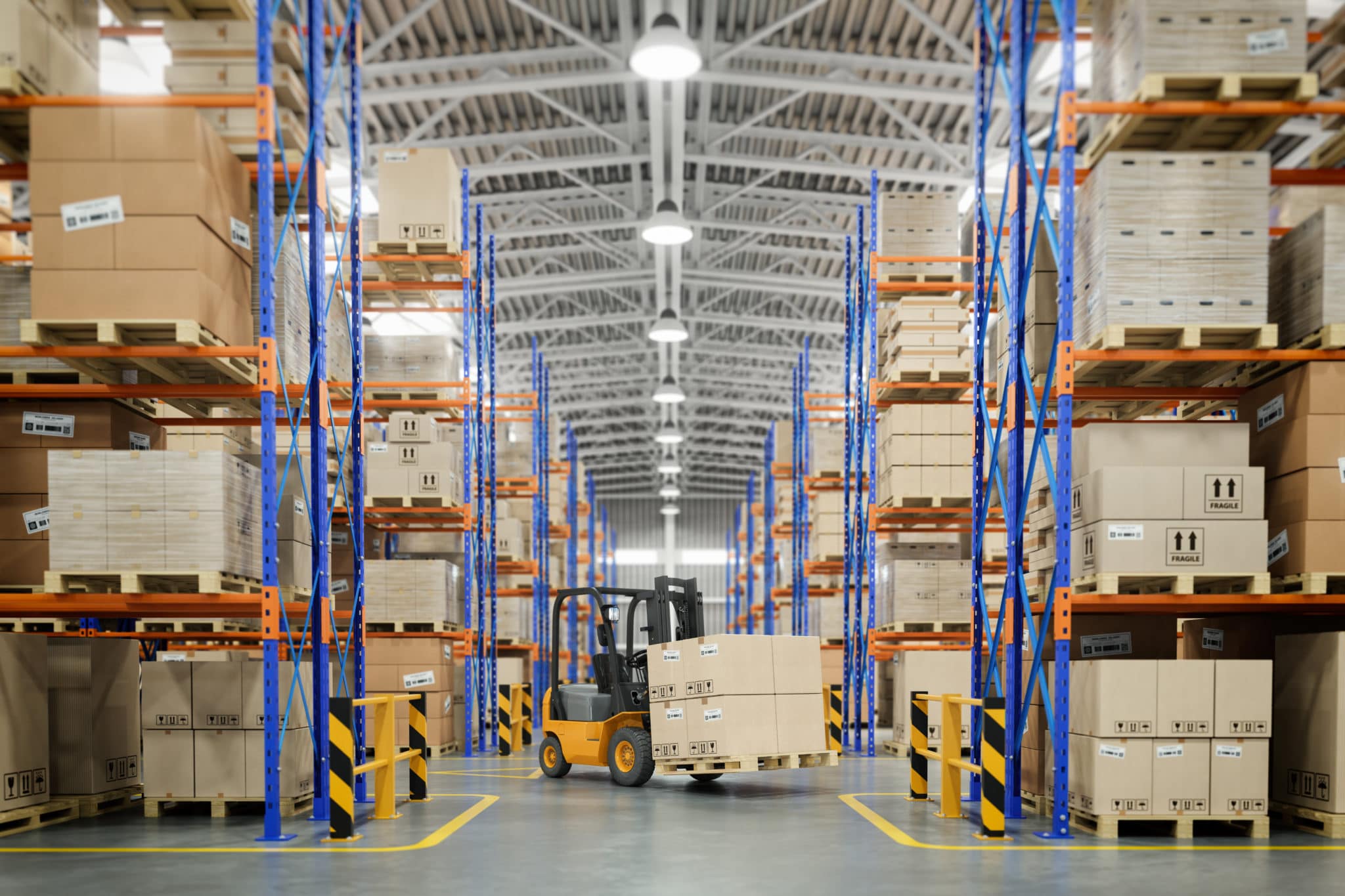
Logistics Facilities
Modern logistics hubs and distribution centers designed for efficient supply chain operations Delivered by experienced general contractors throughout Texas.
Logistics facilities serve as the nerve centers of modern supply chains, requiring sophisticated construction that supports complex operational workflows and heavy industrial equipment. Inner Loop Construction specializes in logistics facility development throughout Texas, creating facilities that optimize space utilization, equipment efficiency, and operational throughput. Our construction expertise ensures these critical infrastructure projects perform flawlessly under demanding conditions.
Texas logistics facilities demand construction solutions engineered for cross-docking operations, automated storage systems, and high-speed material handling. We design floor systems that accommodate conveyor belts, sorting equipment, and robotic systems while maintaining the durability required for 24/7 operations. Our construction approach integrates structural requirements with operational efficiency, creating facilities that maximize productivity and minimize operational costs.
Logistics facility construction involves complex coordination between foundation systems, structural systems, and specialized equipment installations. We work closely with logistics engineers and equipment suppliers to ensure concrete specifications support operational requirements. Our Texas-based expertise includes understanding regional transportation infrastructure, weather considerations, and supply chain dynamics that impact facility design and construction.
From regional distribution centers to specialized logistics hubs, we deliver construction that supports modern supply chain operations. Our projects incorporate sustainable design principles, energy-efficient systems, and scalable infrastructure that can adapt to changing operational needs. We understand that logistics facilities are critical business assets requiring reliable, long-lasting construction.
What's Included
- •Logistics engineering coordination for operational requirements
- •High-strength foundation systems with equipment load ratings
- •Floor flatness testing and F-number certifications
- •Automated equipment foundation design
- •Conveyor system concrete supports and trenches
- •Loading dock and truck court construction
- •Stormwater management for large roof areas
- •Cross-docking area design and construction
- •Quality assurance and operational testing
Frequently Asked Questions
What makes construction critical for logistics facilities?
Logistics facilities require concrete that supports heavy equipment loads, provides smooth surfaces for automated systems, and maintains structural integrity under constant vibration. Floor systems must accommodate conveyor belts, robotic equipment, and high-traffic areas while providing the flatness needed for efficient operations throughout Texas facilities.
How do you design for automated logistics systems?
We coordinate with automation suppliers to ensure foundation systems support robotic systems, conveyor installations, and automated guided vehicles. This includes precise leveling, vibration-damping systems, and load-rated surfaces designed for specific equipment requirements in Texas logistics operations.
What are the key considerations for logistics facility floors?
Logistics floors require high-strength concrete (4,000+ PSI), superior flatness ratings, joint systems that prevent cracking, and surfaces resistant to forklift damage. Drainage systems, expansion joints, and reinforcement must support heavy loads while allowing efficient equipment movement across Texas facilities.
How do weather conditions affect logistics facility construction in Texas?
Texas weather requires concrete mixes resistant to freeze-thaw cycles, thermal expansion, and moisture issues. We use regional materials and construction techniques adapted to Texas climate conditions, ensuring facilities perform reliably year-round despite temperature fluctuations and humidity variations.
What permits are required for logistics facilities in Texas?
Logistics facilities require building permits, zoning approvals, and transportation department coordination. Facilities near highways may need additional TxDOT approvals. We handle all permitting requirements and ensure compliance with Texas industrial facility regulations.
Common Situations
- •Third-party logistics companies need facilities supporting multiple clients with varying operational requirements
- •E-commerce fulfillment centers require automated sorting systems with precise concrete specifications
- •Cold chain logistics facilities need temperature-controlled environments with specialized construction
- •Regional distribution hubs require facilities designed for cross-docking and transloading operations
Example Engagement
Service Type
Logistics Facility Construction
Scope
A regional logistics provider needs a 300,000 sq ft facility with automated material handling, cross-docking capabilities, and truck fleet operations requiring comprehensive construction.
Client Situation
The logistics company is expanding operations in a major Texas transportation corridor and needs a facility that can handle multiple distribution channels with efficient loading/unloading and storage operations.
Our Approach
We would assess operational requirements, design concrete systems for automated equipment, and coordinate with logistics engineers for optimal space utilization. Our approach includes phased construction, equipment testing coordination, and operational readiness planning for immediate facility activation.
Expected Outcome
The completed logistics facility would provide 300,000 sq ft of operational space optimized for automated material handling, supporting efficient distribution operations with minimal downtime and maximum throughput capacity.
Why Choose Us
Free Estimates
Get a detailed project estimate tailored to your specific needs and site conditions.
Expert Consultation
Our experienced team provides guidance on project requirements, permits, and best practices.
Quality Assurance
We ensure all work meets or exceeds local building codes and industry standards.
Related Project Types
Distribution Centers
Large-scale distribution and fulfillment centers for e-commerce, retail, and logistics operations across Texas
Manufacturing Plants
Heavy industrial manufacturing facilities and production plants requiring specialized concrete construction
Oil & Gas Yards
Specialized yards and facilities for oil and gas equipment storage, drilling operations, and energy infrastructure
Trucking Terminals
Heavy-duty trucking terminals and freight facilities with stabilized surfaces for truck parking and operations