
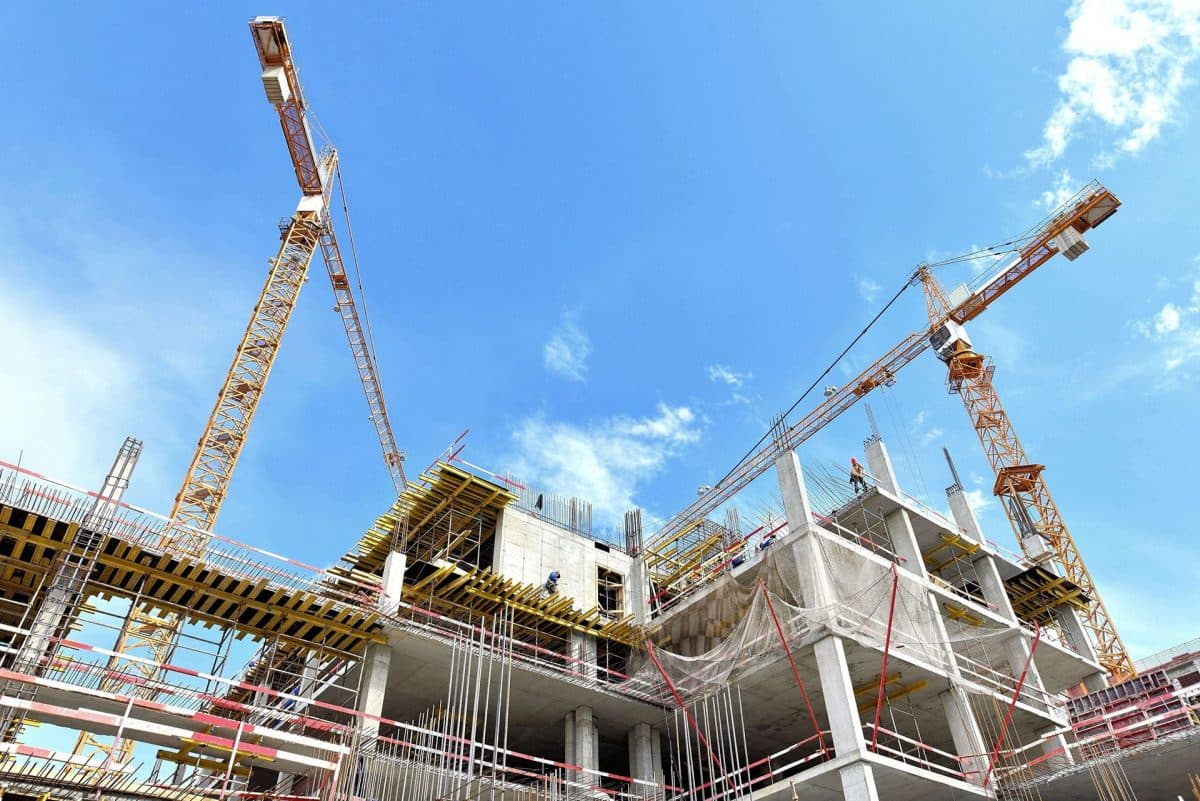
Petrochemical Construction in Texas
General contracting for petrochemical plants, refineries, chemical processing facilities, and industrial plant expansion across Texas
The Texas petrochemical corridor runs from Beaumont and Port Arthur through Texas City, Galveston Bay, Freeport, and south to Corpus Christi—one of the densest concentrations of refinery and chemical plant capacity in the world. Construction in this corridor involves plant expansions, turnaround maintenance construction, new unit installations, and infrastructure upgrades that run concurrently with live plant operations. We manage work within active petrochemical facilities under strict hot work permit requirements, process safety management (PSM) protocols, and contractor safety qualification standards. Our teams operate within owner-driven safety systems, and our superintendents are familiar with permit-to-work systems, simultaneous operations (SIMOPS) planning, and isolation verification procedures.
General contracting scope on petrochemical construction projects includes pipe rack foundations and steel erection, equipment foundations and anchor bolt setting, secondary containment and chemical-resistant concrete lining, fireproofing installation, explosion-proof electrical rough-in and equipment installation, and insulated process piping coordination. We work to specifications that go well beyond standard commercial building codes. Concrete mixes for secondary containment often must meet chemical resistance specifications with specific water-cement ratios, admixtures, and surface hardeners. Blast-rated construction requires structural detailing and connection design reviewed by structural engineers with petrochemical experience. We understand that a slab drawing in a refinery context is fundamentally different from a warehouse slab drawing, and we staff and plan accordingly.
OSHA Process Safety Management regulations under 29 CFR 1910.119 govern construction activities in facilities that handle highly hazardous chemicals above threshold quantities. Contractors operating in these facilities must understand PSM contractor requirements including pre-job safety meetings, contractor safety performance tracking, and incident reporting obligations. We maintain our safety documentation, EMR records, and contractor prequalification profiles current in systems such as ISNetworld and Veriforce, which are standard requirements for working on petrochemical owner sites in Texas. Whether the project involves a turnaround maintenance window construction package, a capital expansion project for a new processing unit, or infrastructure upgrades to utility systems within a live facility, Inner Loop Construction brings the construction management depth to execute on schedule in one of the most demanding operating environments in the state.
What's Included
- •Equipment foundations, anchor bolt setting, and machinery pads
- •Pipe rack foundations, structural steel erection, and pipe support systems
- •Secondary containment construction and chemical-resistant concrete lining
- •Fireproofing installation on structural steel and equipment
- •Explosion-proof electrical rough-in and equipment installation
- •Process building construction including blast-rated wall assemblies
- •Utility infrastructure including cooling water, process water, and steam condensate systems
- •Turnaround window construction package execution
Frequently Asked Questions
What types of petrochemical construction projects do you handle?
We handle a broad range of petrochemical construction scopes including equipment foundations, pipe rack construction and erection, secondary containment systems, process building construction, fireproofing installation, explosion-proof electrical systems, utility infrastructure upgrades, and capital expansion projects for new processing units. We also handle turnaround-window construction packages executed during planned maintenance outages at refineries and chemical plants.
How do you manage construction safety within live petrochemical facilities?
Working within live petrochemical facilities requires strict compliance with the owner's permit-to-work system, hot work permit procedures, process isolation verification, and simultaneous operations planning. Our superintendents are trained in these systems and hold our crews accountable to site-specific safety requirements. We maintain our safety prequalification profiles current in ISNetworld and Veriforce, and we integrate with the owner's contractor safety management system from day one of mobilization.
What are OSHA PSM requirements for petrochemical contractors?
OSHA Process Safety Management regulations under 29 CFR 1910.119 impose specific requirements on contractors working in facilities that handle highly hazardous chemicals above threshold quantities. Contractors must conduct pre-job safety meetings with owner PSM personnel, provide safety training records, inform the owner of any hazardous conditions discovered during work, and comply with the owner's safety rules. We maintain documentation that satisfies these requirements and coordinate closely with owner PSM coordinators on applicable projects.
How do you handle chemical-resistant concrete and secondary containment work?
Secondary containment and chemical-resistant concrete in petrochemical facilities must meet specifications that go well beyond standard commercial construction codes. This typically includes specified water-cement ratios, chemical admixtures, surface hardeners, and specific curing procedures designed to reduce permeability. We review the project specifications and material data sheets for the process chemicals being contained, select concrete mixes and coating systems that meet the chemical resistance requirements, and document batch tickets and testing results to confirm specification compliance.
Do you work on turnaround construction projects at refineries?
Yes, turnaround construction is a significant part of petrochemical work. Turnarounds are planned maintenance outages where facilities bring in contract construction crews to perform capital maintenance, equipment replacement, and infrastructure upgrades that cannot be done during normal operations. We plan turnaround work in advance, preposition materials, and mobilize crews on the schedule window the owner provides. Turnaround work is time-critical because every day of extended outage represents significant production loss for the facility owner.
Common Situations
- •A Gulf Coast refinery needs a GC to manage foundations, secondary containment, and structural steel for a capital expansion adding new processing unit capacity
- •A chemical plant in the Texas City area requires turnaround construction work during a planned maintenance outage, including equipment foundations and pipe rack upgrades on a compressed schedule
- •A Corpus Christi petrochemical facility needs a contractor experienced with PSM requirements to execute utility infrastructure upgrades within an active process area
Example Engagement
Service Type
Petrochemical Construction
Scope
A Beaumont-area refinery requires general contracting services for a capital expansion project including equipment foundations, secondary containment systems, pipe rack construction, and utility tie-ins within an active refinery footprint.
Client Situation
The refinery owner has engineered drawings for a new blending unit addition and needs a qualified GC with PSM contractor experience to manage construction within their active facility. The project must coordinate around live unit operations and comply with site-specific permit-to-work requirements.
Our Approach
We would complete contractor safety prequalification through the owner's system, assign a superintendent with active refinery construction experience, and develop a detailed SIMOPS plan with the owner's safety team before mobilization. Concrete scope including equipment foundations and secondary containment would be executed to specification with batch documentation and chemical resistance testing. We would coordinate pipe rack erection and utility tie-ins within the owner's outage window schedule.
Expected Outcome
The blending unit expansion would be constructed on schedule within the active facility, meeting all engineering specifications and owner PSM requirements. Secondary containment and chemical-resistant concrete would be documented with full batch records and test reports for the owner's compliance files.
Why Choose Us
Free Estimates
Get a detailed project estimate tailored to your specific needs and site conditions.
Expert Consultation
Our experienced team provides guidance on project requirements, permits, and best practices.
Quality Assurance
We ensure all work meets or exceeds local building codes and industry standards.
Thickness Guide
Related Services
Industrial Contractor
Full-service industrial general contractor for large-scale manufacturing, logistics, and infrastructure projects across Texas
Outdoor Storage
Heavy-duty outdoor storage yards and facilities for equipment, materials, and industrial inventory
Laydown Yards
Engineered laydown yards for pipe, steel, equipment staging, and industrial material storage
Stabilized Lots
Lime-stabilized and cement-stabilized lots for heavy equipment and industrial operations